System for Museums & Archives for Research and Access to Knowledge

| Place | Vadodra |
|---|---|
| State | Gujarat |
| Virtual Museum | No |
| Year of Establishment | 1932 |
| Museum Type | Health and Hygiene / Anatomy Museum |
| National Importance Museum | No |
| Address | Sayajibaug Rd, Dak Bunglaw, Sayajiganj, Vadodara, Gujarat 390001 |
| Visiting Time | 11:00 AM – 06:00 PM (Monday–Saturday) Closed on Sundays and public holidays. |
| Entry Fee | Free Entry |
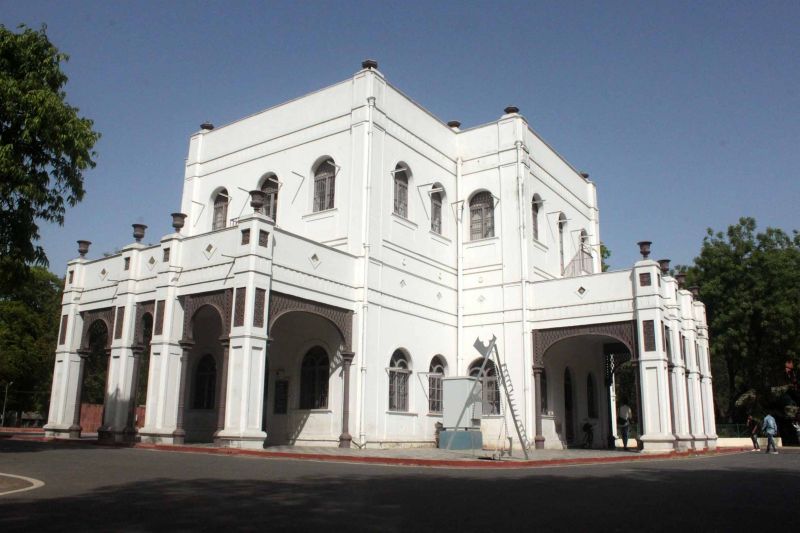
Established in 1932, the Baroda Health Museum is located within the sprawling Sayaji Baug (Kamati Baug) in Vadodara, Gujarat. It is housed in a charming Victorian-style bungalow originally built in 1878/79 as a private pavilion for Maharaja Sayajirao Gaekwad III. The museum was founded with the objective of spreading awareness about human biology, hygiene, and public health among the citizens of the Baroda State.
The museum features a specialized collection focused on human anatomy, physiological functions, and nutrition. Exhibits include life-size models of the human body, anatomical charts, and displays related to sanitation, dental health, and disease prevention. The collection is designed to be educational, particularly for children and students.
Working Model of a Toddler: A highly popular exhibit featuring a life-size model of a small child fitted with a mechanical system that demonstrates body and eye movements. Victorian Architecture: The building itself is a historical artifact, featuring original wooden flooring, an ornate staircase, and wrought-iron embellishments. Historical Health Charts: A series of vintage maps and charts dating back to the early 20th century that document the health and sanitation goals of the princely state.
| Archaeological Survey of India | No |
|---|---|
| Notes | The museum is situated in a quiet corner of Sayaji Baug, near the Planetarium and the main Museum & Picture Gallery. The building has previously served multiple roles, including an event space for the Parsi community and a location for the Baroda Citizens' Council. In 2013, the structure underwent a significant "facelift" to preserve its heritage features and accommodate the VMC's heritage cell. |
| Artifacts | Human skeleton and anatomical models; Working mechanism showing internal body functions; Exhibits on balanced diets and vitamins; Models of dental structures; Vintage health posters and instructional maps. |
| Highly Descriptive | Yes |
| Contact Details | +91 265 279 5950 |
| Email ID | info@vmc.gov.in |