System for Museums & Archives for Research and Access to Knowledge

| Place | Guwahati |
|---|---|
| State | Assam |
| Virtual Museum | No |
| Year of Establishment | 2004 |
| Museum Type | Archaeological Museum |
| National Importance Museum | Yes |
| Address | Behind Gauhati Press Club, Digholi Pukhuri East, Ambari, Guwahati, Assam 781001 |
| Visiting Time | 10:00 AM – 04:30 PM (Closed on Mondays and 2nd/4th Saturdays) |
| Entry Fee | Indian Adults: ₹10 Foreign Nationals: ₹100 Students: ₹5 (with valid ID) Photography: ₹20 (mobile/digital camera) |
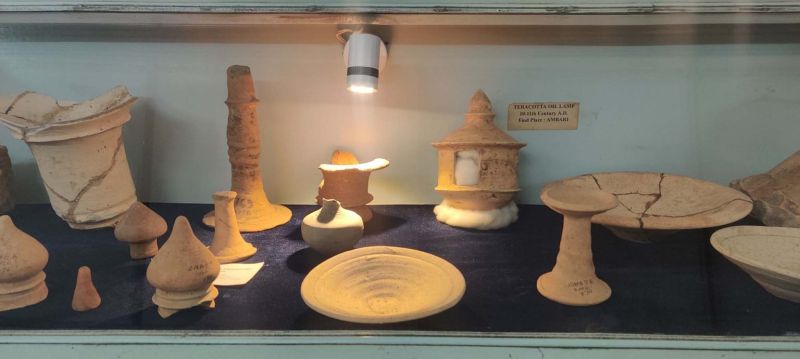
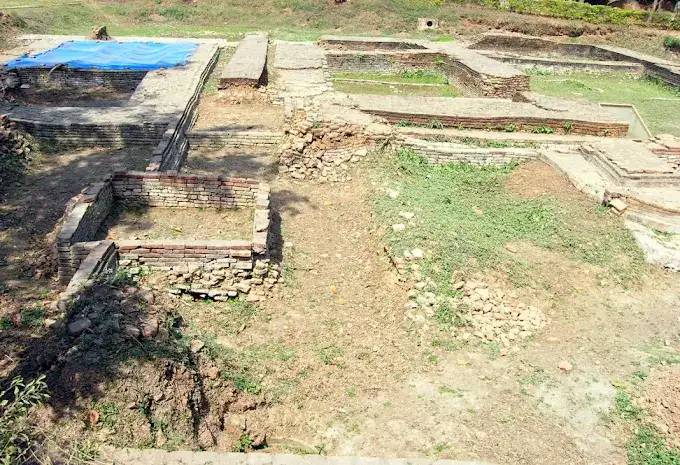
Discovered accidentally in 1969 during the foundation digging of the Reserve Bank of India building, this site is one of the most significant urban archaeological sites in Northeast India. It serves as an active excavation site and a museum that showcases the continuous cultural sequence of the Brahmaputra Valley from the 2nd century BCE onwards.
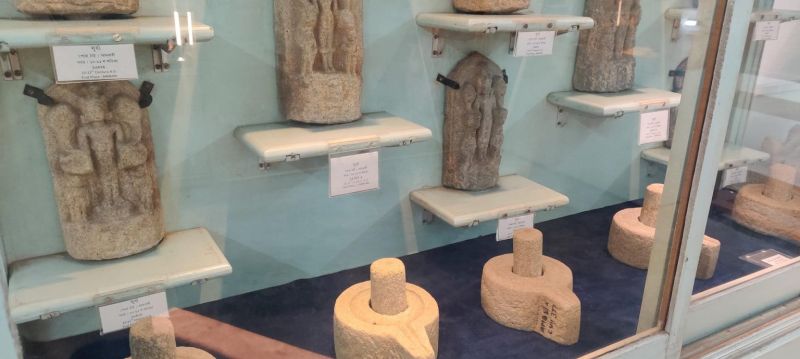
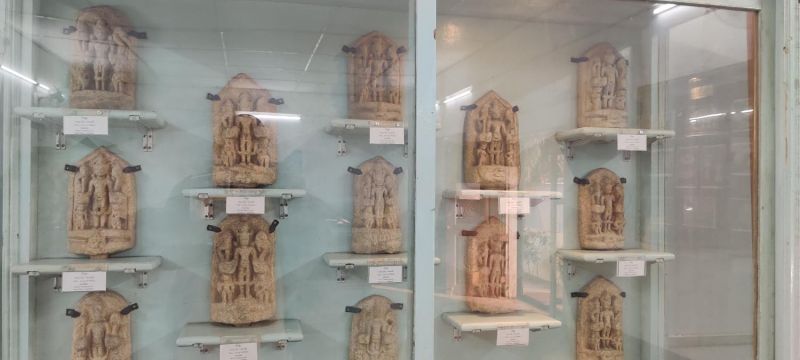
The collection includes over 300 stone sculptures, terracotta figurines, beads, bangles, and a massive quantity of indigenous and foreign pottery. It predominantly represents the cultural peaks of the Kamarupa Kingdom (7th–12th century CE).
The museum houses rare Chinese Celadon ware and Roman Arretine ware, proving that ancient Guwahati was a vital hub on the international trade route between China, Southeast Asia, and the Roman Empire.
| Video URL | https://youtu.be/UWKbONay51U?si=NOGffhstWrcOBpTN |
|---|---|
| Archaeological Survey of India | No |
| Notes | The site is often referred to as an "Atelier" (an artisan's workshop) because many sculptures were found in various stages of completion, suggesting it was a production center for religious art. |
| Artifacts | Lajja Gauri (rare lotus-headed goddess), Gaja-Vyala (mythical lion-elephant), Nataraj Shiva, Vishnu, Surya, and the unique "Ambari Ware" (Kaolin pottery) |
| Highly Descriptive | Yes |
| Contact Details | 091-361-2517110 |
| Email ID |
archaeology-assam@gov.in assamstatemuseum@gmail.com |